


Speech Therapy: Helping Patients Regain Their Voice
Updated: Mar 2

Communication is essential to independence, safety, and quality of life. For patients recovering from acquired brain injury (ABI), traumatic brain injury (TBI), stroke, or spinal cord injury (SCI), impairments in speech, language, cognition, and swallowing often represent some of the most functionally limiting, and emotionally distressing, consequences of injury. Speech-language pathology supports both neurological rehabilitation and functional reintegration through evidence-based, interdisciplinary care.
Our speech therapy extends far beyond articulation or expressive language. It is a clinically driven intervention that addresses cognition, executive function, social communication, dysphagia, and compensatory strategy development—often beginning in the earliest phases of medical stabilization.
For medically complex patients, particularly those with moderate to severe neurologic injury, early and intensive SLP intervention can significantly influence outcomes, discharge disposition, and long-term independence.
The Scope of Speech Therapy in Medical Rehabilitation
Speech-language pathologists, or speech therapists, in the medical rehabilitation setting, evaluate and treat a wide range of impairments that commonly follow brain and spinal cord injury. These may include:
Aphasia and language disorders affecting comprehension, expression, reading, and writing
Motor speech disorders, such as dysarthria or apraxia of speech
Cognitive-communication impairments, including deficits in attention, memory, problem-solving, insight, and executive functioning
Swallowing disorders (dysphagia) that impact nutrition, hydration, and aspiration risk
Social-pragmatic communication challenges that affect interpersonal relationships and community reintegration
Importantly, many of these impairments are not immediately visible but can profoundly affect safety and functional outcomes. Cognitive-communication disorders, for example, are strongly associated with fall risk, medication mismanagement, reduced therapy participation, and delayed return to independent living. Early identification and targeted intervention are therefore essential components of comprehensive neurorehabilitation.
Rebuilding After a Brain Injury
Following TBI or stroke, communication impairments often evolve as cerebral edema resolves, and neuroplastic changes occur. Speech therapists provide ongoing assessment throughout the inpatient stay, adjusting treatment plans to reflect the patient’s neurologic rehabilitation, endurance, and functional goals.
Interventions may include structured language therapy, cognitive retraining, compensatory strategy instruction, and caregiver education. Evidence supports intensive, task-specific practice during the subacute phase of medical rehabilitation, particularly within the Inpatient Rehabilitation Facility (IRF) model, such as a t Nobis hospitals, where patients participate in multiple hours of therapy per day under close medical supervision.
For patients with disorders of cognitive impairment, speech therapy may initially focus on basic communication systems. As patients progress, treatment advances toward higher-level cognitive-linguistic skills, safety awareness, and functional communication in real-world contexts.
Addressing Communication Needs in Spinal Cord Injury
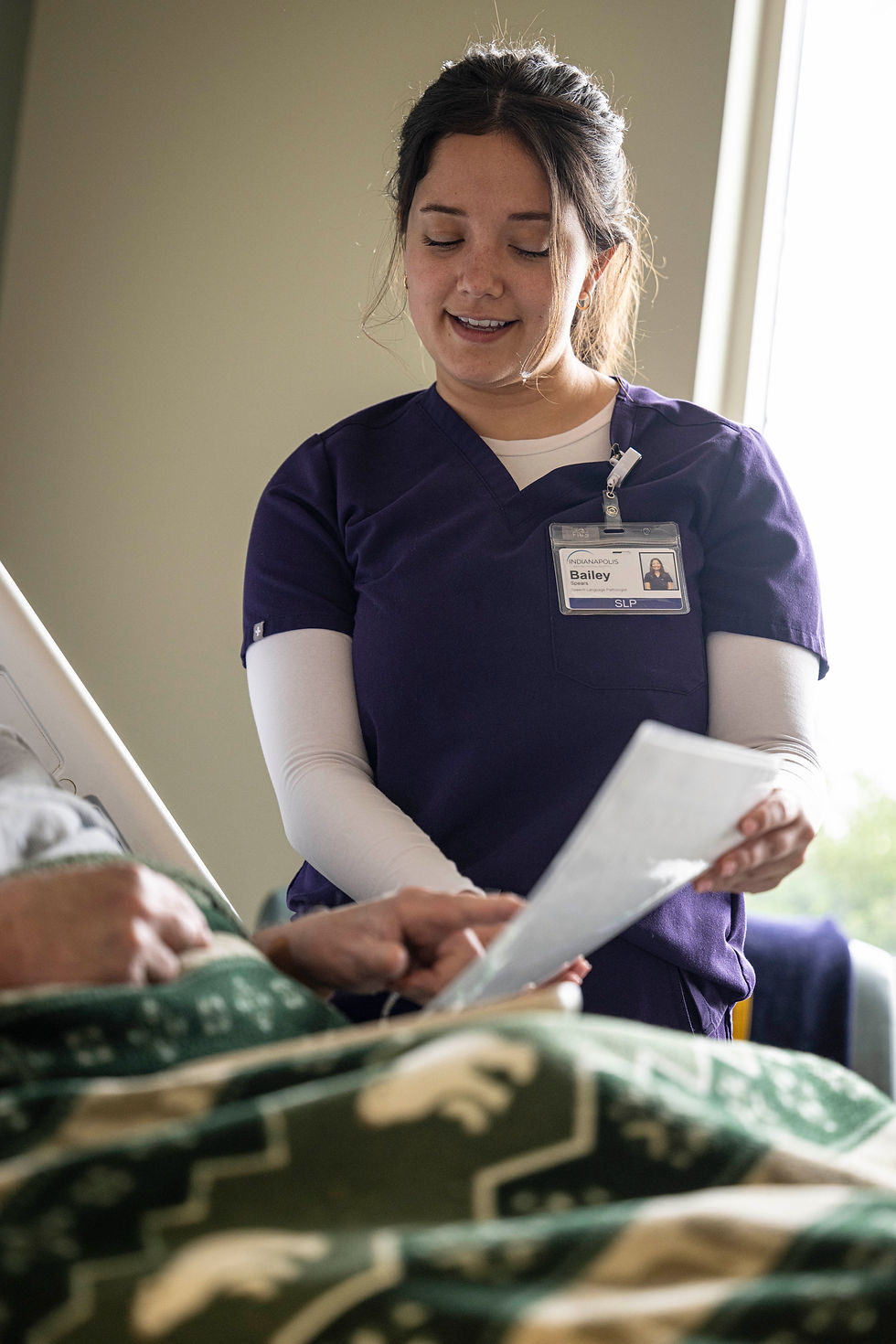
While spinal cord injury is often viewed primarily through a motor and mobility lens, communication and swallowing challenges are not uncommon, particularly in cases involving high cervical injuries, ventilator dependence, or concurrent brain injury. Speech-language pathologists play a vital role in supporting patients with tracheostomies, impaired breath support, or altered vocal quality.
Speech therapists collaborate closely with respiratory therapy, nursing, and physicians to evaluate voicing options, implement speaking valves when appropriate, and ensure safe swallowing function. For patients with SCI, restoring communication is often central to psychological well-being, participation in medical rehabilitation, and engagement in care planning.
Interdisciplinary Coordination in the IRF Setting
One of the defining strengths of medical rehabilitation is its interdisciplinary care model. Speech therapy does not occur in isolation; rather, it is fully integrated with physical therapy, occupational therapy, nursing, neuropsychology, and physician oversight.
For example, cognitive-communication goals are often aligned with occupational therapy’s work on activities of daily living or physical therapy’s focus on mobility and safety. Nursing staff reinforce communication strategies during medication administration and daily care, while physicians monitor neurologic status and medical stability. This coordinated approach helps to ensure consistency across disciplines and maximizes carryover outside of medical rehabilitation sessions.
Regular interdisciplinary team conferences allow for shared goal setting, progress monitoring, and discharge planning. These elements are critical for determining appropriate length of stay and post-acute care needs.
Outcomes and Functional Impact
The impact of speech therapy in medical neurorehabilitation is measurable and clinically significant. Improved communication and cognition are associated with:
Increased participation and tolerance of therapy
Reduced caregiver burden
Improved safety awareness and decision-making
Higher likelihood of discharge to home rather than a lower level of care
Enhanced long-term community reintegration
For referral sources, these outcomes underscore the importance of timely and appropriate referral s to an IRF when patients demonstrate communication, cognitive, or swallowing impairments that require intensive, coordinated medical rehabilitation.
Identifying Appropriate Candidates for Inpatient-Level Speech Therapy
Patients with moderate to severe brain injury, complex SCI, or stroke who present with significant communication or cognitive deficits often benefit most from inpatient medical rehabilitation. Indicators for a IRF referral may include:
Documented aphasia, dysarthria, or cognitive-communication impairment
Dysphagia requiring skilled assessment and intervention
Need for intensive medical rehabilitation across multiple disciplines
Medical complexity requiring physician management and 24-hour rehabilitation nursing
Early referral allows for intervention during a critical window of neuroplasticity, increasing the potential for meaningful improvement.
Commitment to Excellence in Medical Rehabilitation Care
All Nobis hospitals are accredited, or in the process of being accredited, as Centers of Excellence in Rehabilitation Services and Stroke Care by the Center for Improvement in Healthcare Quality (CIHQ). These rigorous accreditations reflect the depth of clinical expertise across our interdisciplinary teams, including physical therapists, occupational therapists, speech-language pathologists, rehabilitation-trained nurses, and physicians.
This commitment to excellence helps to ensure that patients receive evidence-based, outcomes-driven care tailored to the complexity of neurologic injury. It also reflects our ongoing dedication to clinical leadership, quality improvement, and adherence to the highest standards of medical rehabilitative practice.

Advancing Thought Leadership in Speech Therapy
As rehabilitation medicine continues to evolve, clinically focused education remains essential for referral partners navigating post-acute care decisions. By sharing evidence-based insights into disciplines such as speech-language pathology, we aim to support informed referrals, improved care transitions, and optimal patient outcomes.
Speech therapy is not simply an adjunct service—it is a cornerstone of comprehensive neurorehabilitation. When integrated within an accredited IRF setting, it plays a vital role in restoring communication, promoting safety, and helping patients reclaim their lives after brain or spinal cord injury.
If you or a loved one is recovering from a brain injury, stroke, or spinal cord injury and experiencing challenges with communication, cognition, or swallowing, our team is here to help. Through comprehensive medical rehabilitation and specialized speech therapy services, we support rebuilding at every stage.
Talk with your physician about a referral or connect with our admissions specialists to learn more about the referral and insurance process and take the next step toward meaningful medical rehabilitation.


